Sometimes, a brand needs more than just a clean interface; it needs a mood. Atmospheric digital art is the bridge between commercial design and cinematic narrative. By using high-fidelity lighting, complex textures, and deep shadows, we can evoke a visceral response from the viewer that simple photography can rarely achieve. In the “Tech-Noir” world, this means creating scenes that feel both advanced and slightly mysterious.
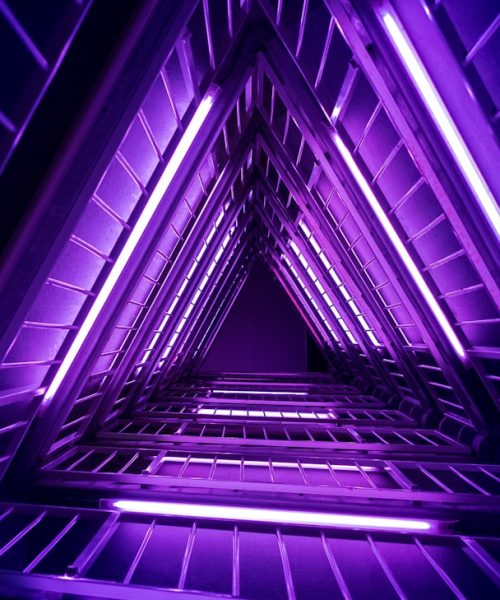
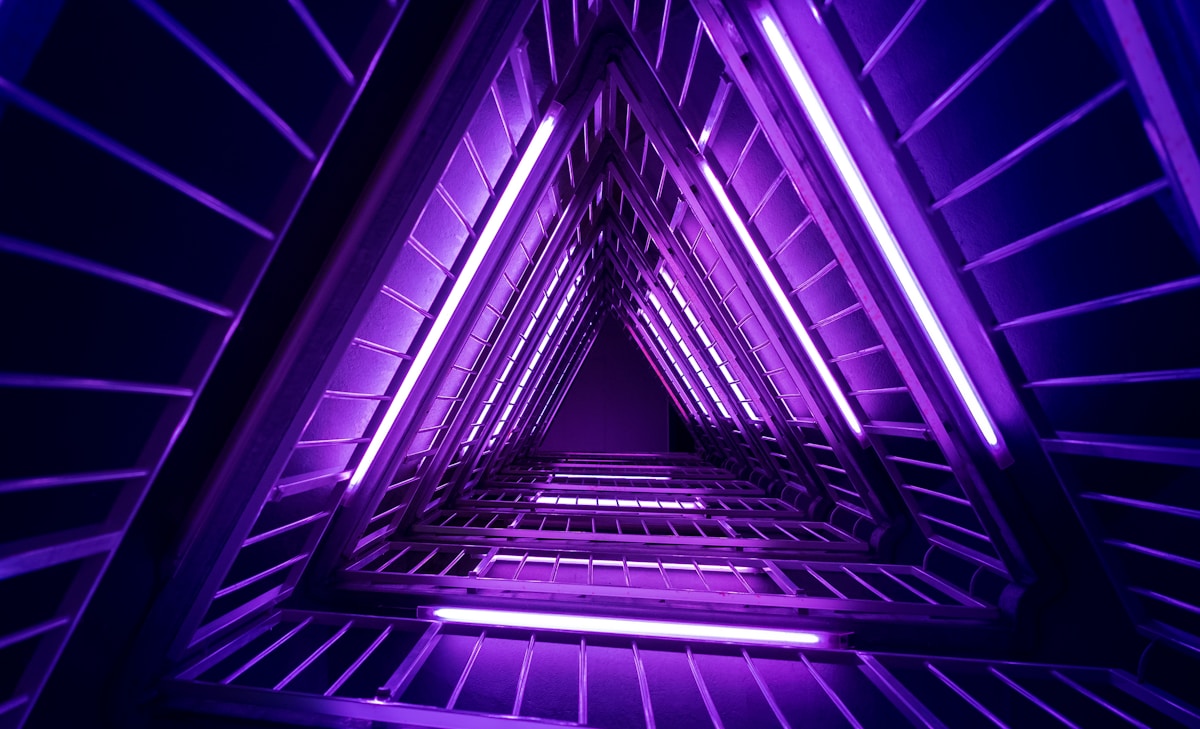
The essence of atmospheric art lies in what you *don’t* see. By hiding half of a structure in “Obsidian” shadow, you invite the user’s imagination to fill in the gaps. This creates a sense of scale and importance. When you see a “Neon Orange” light reflecting off a metallic surface in a dark room, it feels like a signal, a beacon of progress in the void. This storytelling through light and texture is how we communicate the “premium” nature of our work. It’s about creating environments that the user wants to step into, not just look at.
This approach is particularly effective for high-end tech hardware and software platforms that want to emphasize their “under-the-hood” power. We don’t just show the product; we show the product as a heroic object within a beautifully curated environment. This “Architectural Storytelling” elevates the brand from being just another tool to being a destination. It’s about building a narrative that people want to be a part of—a narrative of precision, mystery, and technological mastery.
Need help with your brandssss?
We design branding, typography, and motion for forward-thinking teams.
View Services
Sometimes, a brand needs more than just a clean interface; it needs a mood. Atmospheric digital art is the bridge between commercial design and cinematic narrative. By using high-fidelity lighting, complex textures, and deep shadows, we can evoke a visceral response from the viewer that simple photography can rarely achieve. In the “Tech-Noir” world, this means creating scenes that feel both advanced and slightly mysterious.
The essence of atmospheric art lies in what you *don’t* see. By hiding half of a structure in “Obsidian” shadow, you invite the user’s imagination to fill in the gaps. This creates a sense of scale and importance. When you see a “Neon Orange” light reflecting off a metallic surface in a dark room, it feels like a signal, a beacon of progress in the void. This storytelling through light and texture is how we communicate the “premium” nature of our work. It’s about creating environments that the user wants to step into, not just look at.
This approach is particularly effective for high-end tech hardware and software platforms that want to emphasize their “under-the-hood” power. We don’t just show the product; we show the product as a heroic object within a beautifully curated environment. This “Architectural Storytelling” elevates the brand from being just another tool to being a destination. It’s about building a narrative that people want to be a part of—a narrative of precision, mystery, and technological mastery.
Sometimes, a brand needs more than just a clean interface; it needs a mood. Atmospheric digital art is the bridge between commercial design and cinematic narrative. By using high-fidelity lighting, complex textures, and deep shadows, we can evoke a visceral response from the viewer that simple photography can rarely achieve. In the “Tech-Noir” world, this means creating scenes that feel both advanced and slightly mysterious.
The essence of atmospheric art lies in what you *don’t* see. By hiding half of a structure in “Obsidian” shadow, you invite the user’s imagination to fill in the gaps. This creates a sense of scale and importance. When you see a “Neon Orange” light reflecting off a metallic surface in a dark room, it feels like a signal, a beacon of progress in the void. This storytelling through light and texture is how we communicate the “premium” nature of our work. It’s about creating environments that the user wants to step into, not just look at.
This approach is particularly effective for high-end tech hardware and software platforms that want to emphasize their “under-the-hood” power. We don’t just show the product; we show the product as a heroic object within a beautifully curated environment. This “Architectural Storytelling” elevates the brand from being just another tool to being a destination. It’s about building a narrative that people want to be a part of—a narrative of precision, mystery, and technological mastery.